

In today’s fast-paced world, the boundaries between work and personal life have blurred significantly. Many professionals find themselves tethered to their jobs, often bringing work home or staying connected through emails and messages even after hours. This constant connectivity can lead to burnout, stress, and a decline in mental health. Therefore, unwinding after work has become more crucial than ever. This case study explores the significance of post-work relaxation, its benefits, and various strategies that individuals can adopt to effectively unwind after a demanding day at work.

The Need for Unwinding
The modern workplace is characterized by high demands, tight deadlines, and https://www.home-truths.co.uk/pag/top-5-ways-to-relax-after-a-busy-day-of-property-showings.html the pressure to perform. According to a survey conducted by the American Psychological Association, nearly 61% of adults report work as a significant source of stress. This stress can manifest in various ways, including anxiety, fatigue, and even physical health issues. Unwinding after work is essential for counteracting these negative effects. It allows individuals to decompress, recharge, and prepare for the challenges of the next day.
Benefits of Unwinding
- Mental Clarity: Taking time to unwind can help clear the mind. Engaging in relaxing activities can provide a mental break, allowing for improved focus and productivity when returning to work tasks.
- Improved Mood: Activities that promote relaxation, such as yoga, meditation, or spending time with loved ones, can enhance overall mood and well-being. This is particularly important in maintaining a positive work environment and fostering better relationships with colleagues.
- Enhanced Creativity: Stepping away from work-related tasks can lead to increased creativity. Many individuals find that their best ideas come when they are not actively trying to solve a problem, as the mind is free to make new connections and think outside the box.
- Physical Health: Chronic stress can lead to various health problems, including heart disease and obesity. Unwinding after work can reduce stress levels, thereby contributing to better physical health and longevity.
Strategies for Unwinding
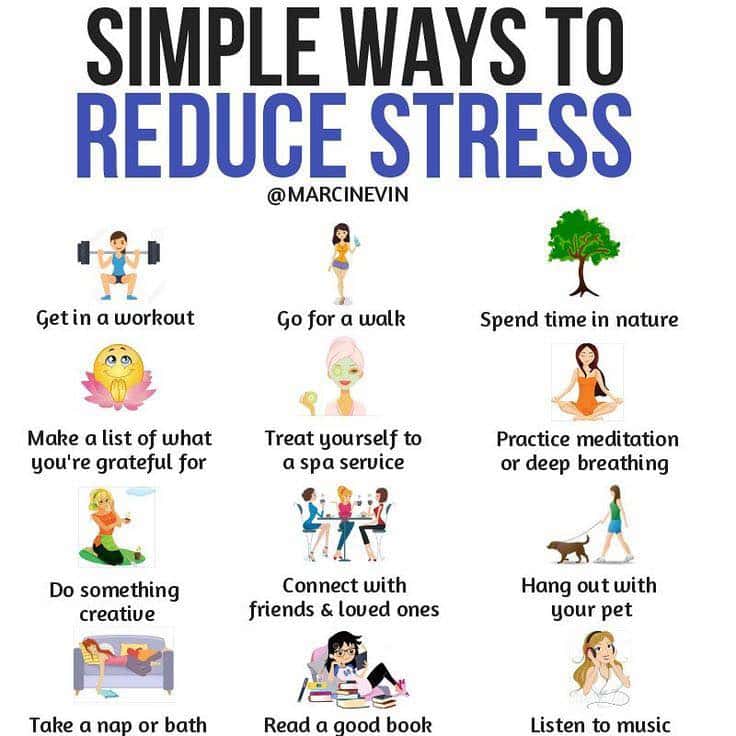
- Establish a Routine: Creating a consistent post-work routine can signal to your brain that it is time to relax. This could include activities like changing out of work clothes, going for a walk, or preparing a favorite meal.
- Limit Screen Time: In an age where screens dominate our lives, it’s essential to take breaks from electronic devices. Consider setting aside time to disconnect from technology and engage in activities that don’t involve screens, such as reading a book or practicing a hobby.
- Engage in Physical Activity: Exercise is a proven stress-reliever. Whether it’s a vigorous workout or a leisurely stroll, physical activity can help release endorphins, which are natural mood lifters. Finding an activity you enjoy can make this a more sustainable practice.
- Practice Mindfulness or Meditation: Mindfulness techniques can help center your thoughts and reduce anxiety. Spending just a few minutes practicing deep breathing or meditation can significantly improve your mental state after a long day.
- Connect with Others: Socializing with friends or family can provide emotional support and help you feel more grounded. Whether it’s a quick phone call or a dinner with loved ones, these connections can be a vital part of unwinding.
- Create a Relaxation Space: Designate an area in your home as a relaxation zone. This could be a cozy corner with comfortable seating, soft lighting, and calming decor. Having a specific space to unwind can enhance the effectiveness of your relaxation efforts.
Case Example: The Impact of Unwinding
Consider the case of Sarah, a marketing executive who often felt overwhelmed by her workload. She noticed that her productivity was declining, and she was increasingly irritable with her colleagues. After consulting with a wellness coach, Sarah implemented a post-work routine that included a daily 30-minute walk, followed by reading a book in her relaxation space. Within weeks, she reported feeling more focused, less stressed, and more engaged at work. Her relationships with colleagues improved, and she even began to contribute more creatively to team projects.
Conclusion
Unwinding after work is not just a luxury; it is a necessity for maintaining mental health and overall well-being in today’s demanding work environment. By adopting effective strategies to relax and recharge, individuals can combat workplace stress, enhance their productivity, and improve their quality of life. As the case of Sarah illustrates, prioritizing time to unwind can lead to significant positive changes, both personally and professionally. In a world that often glorifies busyness, it is essential to remember that taking time to relax is just as important as the work we do.